
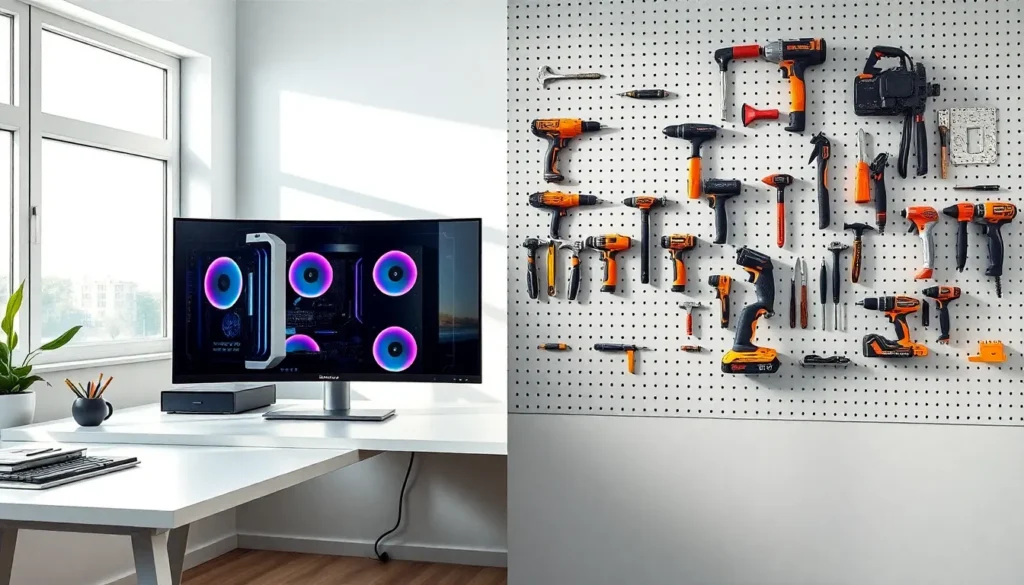

Top hardware makes the difference between a frustrating project and a successful one. Whether someone is building a gaming PC, renovating a kitchen, or tackling weekend repairs, the right equipment matters. This guide covers essential hardware categories, the best computer components available today, and must-have tools for home improvement. Readers will learn how to select top hardware that fits their specific needs and budget. From processors to power drills, this article breaks down what works, what lasts, and what delivers real value.
Table of Contents
ToggleKey Takeaways
- Top hardware spans two categories—computer components and physical tools—each requiring careful selection based on your specific project needs.
- For computer builds, AMD Ryzen and Intel Core processors paired with NVIDIA or AMD graphics cards deliver the best performance across budget ranges.
- Cordless drills from DeWalt, Milwaukee, or Makita represent essential top hardware investments for home improvement projects.
- Always research reviews from multiple sources before purchasing, as consistent complaints often reveal real product problems.
- Investing in quality hardware from reputable brands costs more upfront but saves money long-term through better durability and performance.
- Plan for future needs by buying slightly more capacity than required—whether it’s RAM for your PC or a more powerful drill for unexpected tasks.
Understanding Hardware Categories
Hardware falls into two main groups: computer hardware and physical tools. Both categories serve different purposes, but both require careful selection.
Computer Hardware
Computer hardware includes all physical components inside and connected to a computer. This covers processors, graphics cards, RAM, storage drives, motherboards, and power supplies. Peripherals like monitors, keyboards, and mice also count as hardware. Each component affects system performance differently.
Physical Tools and Equipment
Physical hardware refers to tools, fasteners, and equipment used in construction, repair, and home improvement. This includes hand tools like hammers and screwdrivers, power tools like drills and saws, and supplies like nails, screws, and brackets.
Top hardware in both categories shares common traits: durability, reliability, and good performance relative to price. Understanding these categories helps buyers focus their research and avoid purchasing equipment that doesn’t match their actual needs. A gamer needs different top hardware than a carpenter, but both benefit from quality products that perform consistently over time.
Best Computer Hardware Components
Building or upgrading a computer requires knowledge of which components deliver the best value. Here’s a breakdown of top hardware picks for each major category.
Processors (CPUs)
The processor handles all computing tasks. AMD’s Ryzen 7 series and Intel’s Core i7 processors represent top hardware choices for most users. Gamers and content creators should consider the Ryzen 9 or Intel Core i9 for demanding workloads. Budget builders can get excellent performance from the Ryzen 5 or Intel Core i5.
Graphics Cards (GPUs)
Graphics cards determine gaming and video editing performance. NVIDIA’s RTX 4070 offers strong performance at a reasonable price point. The RTX 4080 and AMD’s RX 7900 XTX serve enthusiasts who need maximum power. For casual users, the RTX 4060 or RX 7600 provides solid performance without very costly.
Memory (RAM)
Most users need 16GB of DDR5 RAM for smooth multitasking. Content creators and professionals should consider 32GB or more. Brands like Corsair, G.Skill, and Kingston consistently produce top hardware in this category. Speed matters too, look for 5600MHz or higher for DDR5 systems.
Storage Drives
NVMe SSDs have become the standard for primary storage. Samsung’s 990 Pro and Western Digital’s SN850X rank among the fastest consumer drives available. A 1TB drive handles most needs, though content creators often require 2TB or more. Traditional hard drives still work well for bulk storage at lower costs.
Motherboards and Power Supplies
The motherboard connects all components. ASUS, MSI, and Gigabyte manufacture reliable boards across price ranges. Power supplies should come from reputable brands like Corsair, EVGA, or Seasonic. Always buy a PSU with 80+ Gold certification or better for efficiency and safety.
Must-Have Tools for Home Improvement
Home improvement projects demand reliable tools. Investing in top hardware saves time, reduces frustration, and produces better results.
Essential Hand Tools
Every homeowner needs a quality hammer, tape measure, level, and screwdriver set. Stanley, Klein Tools, and Craftsman make durable hand tools that last for years. A good adjustable wrench and pliers set rounds out the basics. Don’t skimp here, cheap hand tools break quickly and can cause injuries.
Power Tools Worth Owning
A cordless drill ranks as the most useful power tool for home projects. DeWalt, Milwaukee, and Makita produce top hardware in this space. Their 20V battery systems power multiple tools, which reduces long-term costs. A circular saw handles most cutting tasks, while an orbital sander prepares surfaces for finishing.
Fasteners and Supplies
Keep a variety of screws, nails, and anchors on hand. Deck screws, drywall screws, and wood screws cover most applications. Wall anchors allow secure mounting in drywall. Buying these supplies in bulk saves money and ensures availability during projects.
Safety Equipment
Safety glasses, work gloves, and hearing protection belong in every workshop. A dust mask or respirator protects lungs during sanding or painting. These items cost little but prevent serious injuries. Top hardware stores stock quality safety gear from 3M and other trusted manufacturers.
How to Choose the Right Hardware for Your Project
Selecting top hardware requires matching products to specific project requirements. These guidelines apply to both computer builds and home improvement tasks.
Define Your Requirements First
Start by listing what the project actually needs. A basic home office computer doesn’t require a high-end graphics card. Similarly, occasional home repairs don’t justify professional-grade power tools. Overbuying wastes money: underbuying leads to poor results or repeat purchases.
Research Before Purchasing
Read reviews from multiple sources before buying any hardware. Tech sites like Tom’s Hardware and PCMag provide detailed computer component analysis. For physical tools, check reviews on retailer sites and forums where professionals share experiences. Look for patterns in feedback, consistent complaints indicate real problems.
Consider Total Cost of Ownership
Cheap hardware often costs more over time. A budget power supply might fail and damage other components. A low-quality drill might need replacement within a year. Top hardware from reputable brands typically lasts longer and performs better, making it more economical even though higher upfront costs.
Buy from Reliable Sources
Purchase computer hardware from authorized retailers to ensure valid warranties. For tools, established hardware stores offer better customer service than discount sellers. Avoid suspiciously cheap deals on popular items, counterfeit hardware exists in both computer and tool markets.
Plan for Future Needs
Buy slightly more capacity than current needs require. A 32GB RAM kit allows future expansion. A more powerful drill handles unexpected heavy-duty tasks. This approach extends the useful life of purchases and provides flexibility as projects evolve.


