
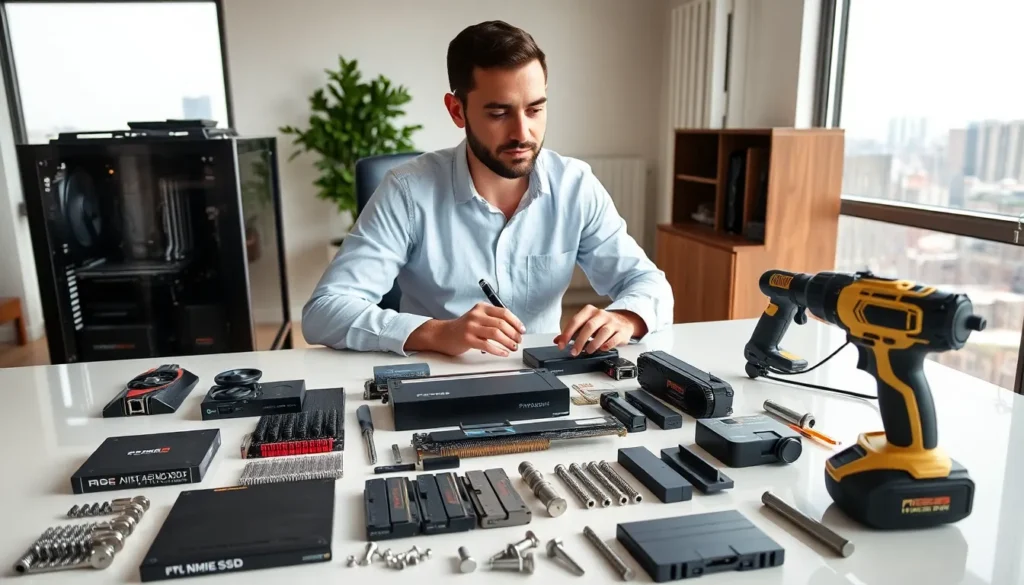

Finding the best hardware can make or break any project. Whether someone is building a gaming PC, renovating a kitchen, or upgrading their home office, the right hardware choices save time, money, and frustration. In 2025, buyers face more options than ever, from cutting-edge processors to precision-engineered fasteners. This guide breaks down how to select the best hardware across multiple categories, what features matter most, and which products deliver real value. Smart hardware decisions start with knowing what to look for.
Table of Contents
ToggleKey Takeaways
- The best hardware matches your project’s specific use case—define your needs before shopping to avoid costly mismatches.
- Mid-range hardware typically offers the best balance of performance, durability, and value without overpaying for unused features.
- Always verify compatibility before purchasing, whether it’s motherboard sockets for PC builds or load ratings for construction projects.
- Quality materials like stainless steel, aluminum, and copper cost more upfront but deliver longer service life and better performance.
- Check user reviews for recurring issues and look for strong warranties as indicators of the best hardware options.
- Plan for future needs by choosing hardware with room to grow, saving money on replacements down the road.
How to Choose the Right Hardware for Your Project
Picking the best hardware starts with understanding the project at hand. A simple question frames the decision: What does this hardware need to accomplish?
Define the Use Case First
A gamer building a high-performance rig needs different components than a video editor or a casual web browser. Similarly, someone framing a deck requires different fasteners than a person hanging picture frames. The best hardware always matches its intended purpose.
Set a Realistic Budget
Hardware prices range from bargain-bin to premium. The sweet spot usually sits in the mid-range, products that balance performance and durability without unnecessary bells and whistles. Overspending on features that won’t get used wastes money. Underspending on critical components leads to early failures and replacements.
Research Compatibility
This step trips up many buyers. Computer hardware must match motherboard sockets, RAM types, and power requirements. Construction hardware needs proper sizing for load-bearing applications. The best hardware in the world becomes useless if it doesn’t fit the system or structure.
Check Reviews and Ratings
Real user feedback reveals problems that spec sheets hide. Look for patterns in reviews, if multiple buyers mention the same issue, it’s likely a genuine concern. Professional reviews from trusted sources provide deeper analysis of performance benchmarks and long-term reliability.
Consider Future Needs
The best hardware purchases account for growth. A motherboard with extra expansion slots, or hinges rated for heavier doors, provides flexibility down the road. Buying slightly above current needs often costs less than replacing hardware later.
Top Hardware Categories Worth Considering
The term “hardware” spans two major worlds: technology and physical construction. Both require careful selection to get the best hardware for specific applications.
Computer and Tech Hardware Essentials
Processors (CPUs)
The CPU drives everything a computer does. In 2025, AMD’s Ryzen 9000 series and Intel’s Core Ultra processors lead the market. For most users, a mid-tier chip like the Ryzen 5 or Intel Core i5 offers excellent performance per dollar. Power users and content creators benefit from higher core counts.
Graphics Cards (GPUs)
Gamers and designers need capable GPUs. NVIDIA’s RTX 50 series and AMD’s RX 8000 cards represent the best hardware for graphics-intensive tasks. Budget-conscious buyers can find solid performance in previous-generation cards at reduced prices.
Storage Drives
NVMe SSDs now dominate as the best hardware choice for primary storage. They load operating systems and applications in seconds. Traditional hard drives still make sense for bulk storage where speed matters less.
Memory (RAM)
DDR5 RAM has become standard in 2025. Most users need 16GB minimum, while professionals working with large files or multiple applications benefit from 32GB or more. Speed matters, but capacity often provides more noticeable improvements.
Home Improvement and Construction Hardware
Fasteners and Screws
The best hardware for construction jobs uses quality materials. Stainless steel resists rust in outdoor applications. Coated deck screws prevent corrosion and wood splitting. Cheap fasteners fail under stress, this isn’t the place to cut corners.
Hinges and Door Hardware
Heavy doors require ball-bearing hinges rated for their weight. Entry doors need deadbolts with ANSI Grade 1 ratings for maximum security. Cabinet hinges with soft-close mechanisms add convenience and reduce wear.
Power Tools
Brushless motors represent the best hardware advancement in recent years. They run cooler, last longer, and deliver more power than brushed alternatives. Cordless tools with lithium-ion batteries now rival corded models in performance.
Key Features to Look for in Quality Hardware
Regardless of category, the best hardware shares certain characteristics. These features separate products that perform from products that disappoint.
Material Quality
Materials determine longevity. Aluminum and steel components outlast plastic in most applications. Copper conducts heat better than cheaper alternatives in computer cooling systems. Premium materials cost more upfront but save money through longer service life.
Build Tolerance and Precision
Loose tolerances cause problems. Computer components with poor manufacturing standards generate excess heat or fail to seat properly. Construction hardware with imprecise threading strips easily. The best hardware fits tight and performs consistently.
Warranty and Support
Manufacturer confidence shows through warranty terms. Companies offering multi-year warranties believe in their products. Good customer support matters when problems arise, check reviews for responsiveness before purchasing.
Energy Efficiency
Efficient hardware reduces operating costs. Power supplies with 80 Plus Gold or Platinum certification waste less electricity as heat. Low-friction hinges require less force to operate and wear more slowly.
Brand Reputation
Established brands earned their reputation through consistent quality. Names like ASUS, Samsung, and DeWalt signal reliable products. Lesser-known brands can offer value, but they require more research to verify quality claims.
Ease of Installation
The best hardware installs without drama. Clear instructions, standard mounting patterns, and included accessories simplify projects. Hardware that requires special tools or modifications adds hidden costs and frustration.


